The formalization of the CountEmissionsEU framework introduces a single, harmonized methodology for measuring transport related greenhouse gas emissions across the European Union. Previously, logistics companies utilized a fragmented mix of carbon calculation models, making it nearly impossible for pharmaceutical manufacturers to accurately compare the environmental impact of different transport providers. This new regulation establishes a transparent, verified standard that ensures data consistency from the manufacturing plant to the final pharmacy delivery.
In the specialized field of life sciences logistics, compliance with carbon reporting carries unique operational complexities. Unlike standard dry cargo, pharmaceutical products require strict climate control throughout their journey to prevent degradation. Running active heating, ventilation, and cooling systems inside delivery vehicles demands continuous energy, which naturally increases the overall carbon footprint of the transport cycle.
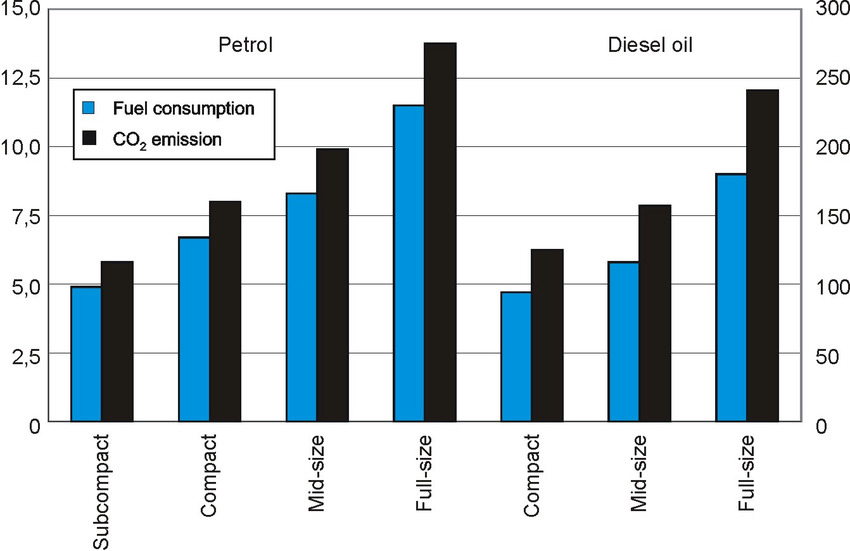
Under the new European rules, logistics providers must utilize precise primary data from their fleets rather than relying on generic industry averages. This means tracking actual fuel consumption, vehicle efficiency, and the energy utilized by refrigeration units during transit. For pharmaceutical clients, working with a logistics partner that aligns with these strict auditing standards is crucial. It ensures that their corporate sustainability reports are fully compliant with European mandates while proving that strict product protection does not come at the expense of environmental accountability.