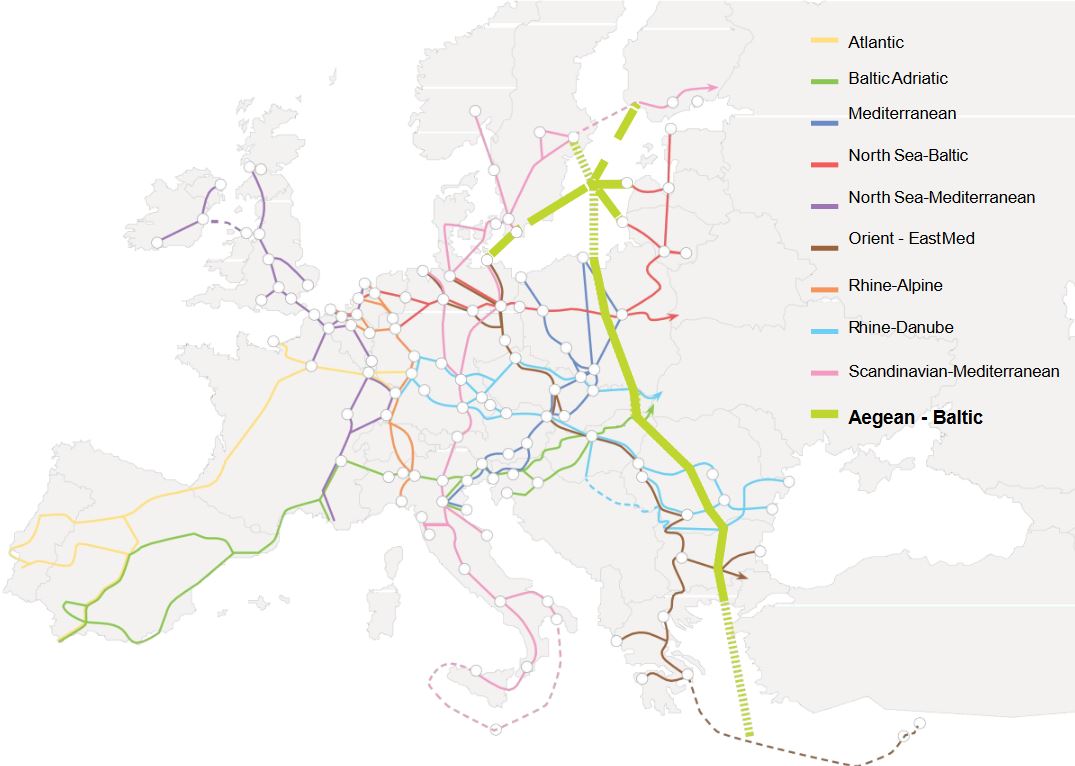
The activation of the Baltic Sea Black Sea Aegean Sea European Transport Corridor marks a significant structural shift for overland freight distribution across Southeastern Europe. Historically, international pharmaceutical manufacturers operating out of Central Europe relied almost exclusively on long haul road transport or lengthy maritime voyages to move medical inventory into the Balkan region. This new dedicated European rail network connects major Greek ports like Piraeus and Thessaloniki directly to northern trade hubs, establishing a highly reliable infrastructure alternative.
For the life sciences industry, this development introduces unprecedented route stability. Maritime shipping frequently suffers from port congestion and unpredictable weather delays, while road transport remains vulnerable to border bottlenecks and driver shortages. Rail corridors offer highly predictable schedules, which is an essential factor when planning the distribution of time critical healthcare supplies.
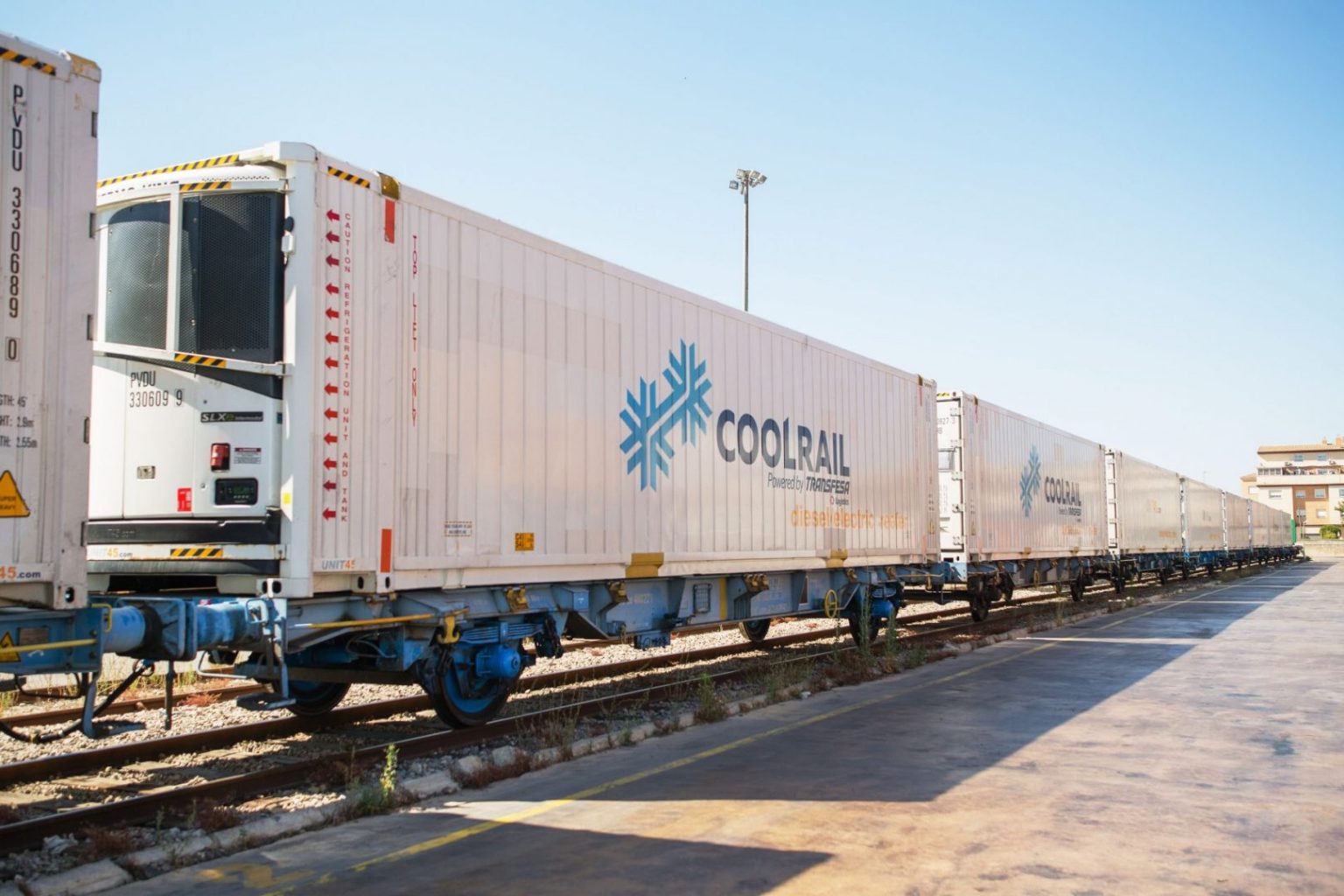
However, utilizing rail infrastructure for pharmaceutical products requires strict adherence to international temperature control standards. Medicines cannot simply be loaded into standard cargo containers. The logistics sector must deploy highly specialized rolling stock equipped with active refrigeration units and integrated telematics. These advanced systems provide continuous climate control and transmit real time temperature data throughout the entire journey across multiple European borders. By adopting this multimodal transport method early, Greek distributors can secure uninterrupted cold chain pipelines, lower transport risks for sensitive biological products, and position the country as a high efficiency hub for regional healthcare logistics.